
How 5D Baby Scans Create More Realistic Baby Images
Most parents remember the grainy, black-and-white static of traditional ultrasounds. You stare at the screen, nodding politely while the sonographer points out a blurry shape that looks vaguely like a little bean. It is a vital medical tool, sure, but it does not exactly feel like a family album memory. Today, advanced studio technology has changed that entirely. Booking a 5D baby scan Perth parents can now see their little one with an astonishing level of realism that feels more like a video greeting than a medical chart.
The leap in clarity comes down to how software handles light and shadow inside the womb. This blog will show you exactly how modern high-definition imaging creates lifelike portraits, what makes it different from older versions and why parents are choosing these keepsake sessions to bond with their babies earlier than ever before.
From Flat Shapes to Real Human Expressions
Traditional 2D scans look straight through the body in flat slices. It is excellent for checking bone growth or heart rates, but it leaves a lot to the imagination. Then came 3D/4D fetal imaging Perth, which stitched those flat slices into a static three-dimensional shape. 4D added time, letting you watch that shape move in real-time.
The current gold standard takes things a massive step further by changing how the machine processes data. Instead of a uniform, plastic-looking orange overlay, advanced software introduces artificial, virtual light sources. The software calculates exactly where shadows fall based on the baby's actual facial features.
The picture takes on a new dimension by the shadows cast under a small nose or behind a small chin. It ceases to appear to be a two-dimensional computer image and begins to appear like a baby, fat and chubby, sitting in the womb.
The Key Technical Differences Explained
The change in the technology will give you an insight into why the final pictures appear so drastically different from what your parents or older siblings may have.
Advanced HD Live Software
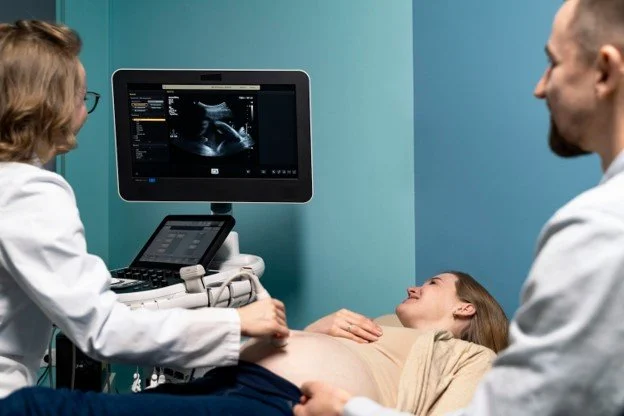
Older machines used fixed lighting that made everything look uniform and sometimes a bit blurry. The latest systems use dynamic, digital light controls alongside an 8K Ultrasound Image Enhancement processing system to sharpen edges. Sonographers can move this virtual light source around on screen, much like a photographer adjusts studio lights during a portrait session. If the baby is tucked against the uterine wall, tweaking the digital light angle helps cut through the shadows to reveal hidden smiles or tiny yawns.
Skin Tone and Texture Realism
Early 3D scanning always had a distinctively artificial, metallic hue. Modern high-definition upgrades replace this with naturalistic, flesh-toned colouring. The software employs translucent colouration to resemble how real human skin takes up and disperses slight amounts of light. The outcome appears so realistic, as it contains the slightest details, a dimple a pout or the very form of a button nose.
Maximising the Quality of Your Keepsake Session
Getting those perfect, clear pictures depends on a few natural factors inside the womb. While the technology is powerful, a little preparation helps capture the absolute best results.
Here are the primary things that influence image clarity during a session:
Hydration levels: The more you drink water in the days before your visit, the bigger and clearer the amniotic fluid will be. It is this fluid that is the ideal window through which the ultrasound waves travel.
Placenta position: When the placenta is placed in the front of the womb, it may be difficult to see. Skilled sonographers are aware of how to man oeuvre around this but it takes time.
Baby's mood and position: Sometimes babies like to hide behind their hands, feet or even umbilical cord. A light exercise, ice-cold drink or a brisk walk may help them to change to a more comfortable viewing position.
Conclusion
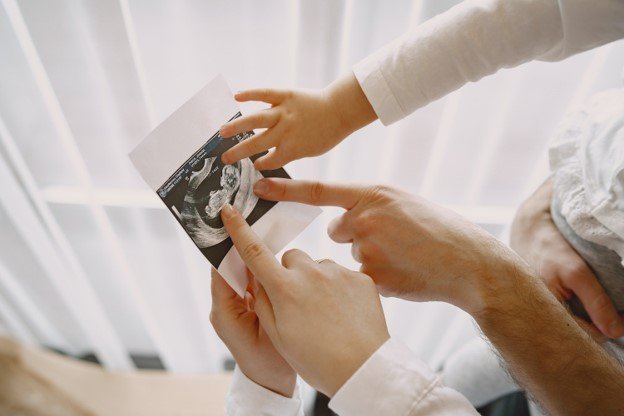
Medical scans are often fast, clinical and strictly focused on measurements. An elective keepsake session flips the script. It is designed to be an experience where family members can sit back, relax and watch the baby's movements on massive screens without the rush of a clinical environment.
These visits are usually done using certain windows depending on the things that the family desires to see. At an early age such as between 14 and 19 weeks, it is wonderful to observe active body movements such as flips and kicks. The best time would be between 26 and 32 weeks Pregnancy Ultrasound Perthwouldnotice clearly formed facial features, chubby cheeks and familiar faces.
Frequently Asked Questions
What is the main difference between 4D and 5D imaging?
4D imaging shows a moving 3D video of the baby in real-time, but it often retains a flat, orange look. 5D utilizes advanced artificial lighting software to add realistic shadows, depth, and natural skin tones, making the video look incredibly lifelike.
When is the best time to book a 3D/4D fetal imaging Perth session?
For clear facial details, the sweet spot is between 26 and 32 weeks when the baby has developed some fat on their face. For watching full-body movements and kicks, earlier weeks like 13 to 20 are ideal.
Does an 8K Ultrasound Image Enhancement change the actual scan?
No, the enhancement happens on the display end. High-resolution screens, like 65-inch 8K OLED monitors, take the high-definition data from the ultrasound machine and display it with incredible crispness, so you do not lose any detail to a grainy television screen.
Are these non-diagnostic keepsake sessions safe for the baby?
Yes, elective bonding sessions use the exact same ultrasound technology that medical clinics use. They rely on sound waves rather than radiation, making them completely safe for both mother and baby.