
What Is an 8K Ultrasound Image? Understanding Premium 3D/4D Keepsake Images
Ultrasound technology has advanced rapidly over the past few decades. Parents no longer have to rely on traditional, grainy black-and-white scans to catch a first glimpse of their developing baby. Modern sonography now offers clear, highly detailed visual representations through advanced rendering software. One of the newest developments in non-diagnostic fetal imaging is 8K Ultrasound Image Enhancement, a specialised digital refining process that creates remarkable clarity.
We understand how meaningful these early moments are for growing families. Connecting with an unborn child before birth creates a deep emotional bond, and high-definition imagery plays a big role in that experience. Here is an essential guide to how high-definition imaging works, what sets it apart from traditional scans, and how parents can prepare for their session.
The Evolution of Fetal Imaging: From 2D to High-Definition Enhancement
Traditional two-dimensional scans remain the standard for medical diagnostics. These flat images display internal cross-sections, allowing medical practitioners to assess physical growth, check organ development, and monitor overall health. While vital for clinical assessments, 2D scans can feel abstract and difficult for non-medical viewers to interpret.
Three-Dimensional (3D) Scans
3D imaging captures static surface volume rather than simple cross-sectional slices. The scanner combines multiple two-dimensional images into a single three-dimensional rendering. This depth allows parents to see the outer contours of the face, hands, and feet clearly.
Four-Dimensional (4D) Scans
4D imaging adds time as a continuous variable. It operates like live video streaming, displaying 3D volume captures in real time. Parents can watch their baby yawn, stretch, smile, or kick during the appointment.
Premium HD and 8K Image Enhancement
The term 8K in fetal imaging does not refer to an actual physical camera resolution inside the ultrasound transducer. Instead, it refers to post-processing image software applied to high-quality 3D or 4D source frames. This algorithm smooths out noise, adjusts light gradients, refines skin texture tones, and defines facial features like eyelids, lips, and tiny noses.
How 8K Ultrasound Image Enhancement Works
The enhancement process involves advanced image-processing techniques designed to elevate standard volume files. The software works directly with original visual data to preserve accurate proportions while improving visual fidelity.
Capturing High-Quality Source Scans
Quality source material is essential. A trained sonographer captures clear 3D or 4D volume renders during the session. Clear fluid pockets around the baby's face ensure optimal source image capture.
Digital Smoothing and Light Normalisation
Ultrasound waves naturally encounter acoustic shadows from bones or surrounding tissue. Special post-processing software identifies these shaded areas and balances the exposure. It removes digital artifacts and evens out graininess without altering the underlying anatomy.
Hyper-Realistic Surface Rendering
The software applies lifelike lighting models and natural skin colour tones. This fine-tuning highlights subtle facial features, bringing warmth and realistic depth to the final frame. The resulting digital file looks like a soft, studio-rendered newborn photograph.
Key Benefits of Premium 3D/4D Keepsake Scans
Premium 3D/4D keepsake images Perth serve a distinct, non-clinical purpose in maternal care. While diagnostic appointments evaluate health parameters, keepsake sessions prioritise parental bonding, family involvement, and lasting memories.
Deeper Emotional Connection
Seeing a baby with realistic clarity transforms the perception of pregnancy. Distinguishing subtle facial expressions brings a strong sense of familiarity before delivery day arrives.
Shared Experiences for the Whole Family
Keepsake appointments provide an inviting atmosphere for partners, grandparents, and siblings. Bringing family members into the room helps them share in the excitement, helping older children prepare for their new sibling.
Lasting Keepsakes and Announcement Media
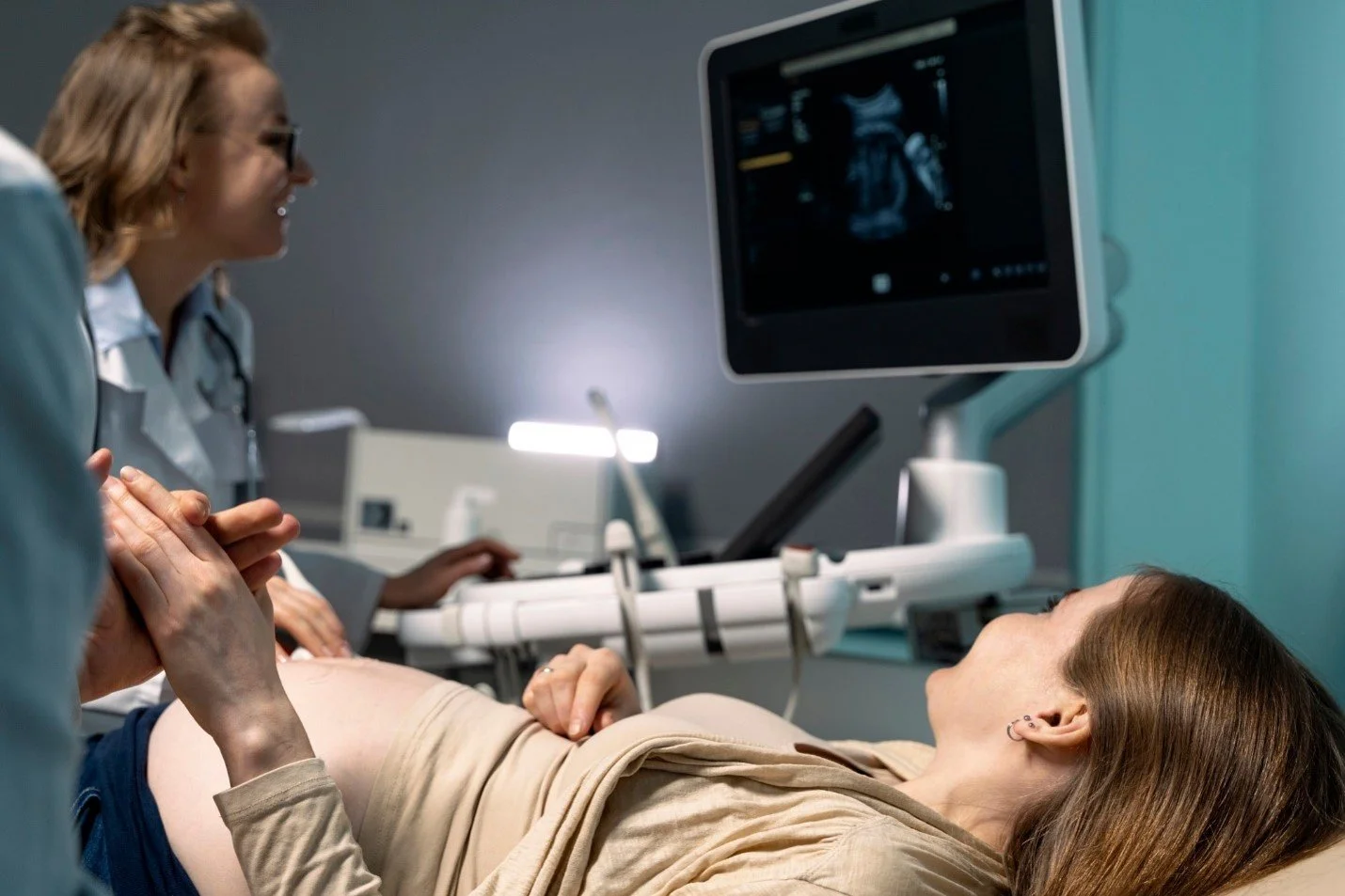
High-resolution images work wonderfully for pregnancy announcements, nursery display frames, baby shower decor, and keepsake albums. Digital files can be saved, printed, or shared easily with distant relatives.
Preparing for a Keepsake Ultrasound Appointment
Optimal image clarity depends on physical factors like fluid volume, baby positioning, and maternal tissue density. Simple preparation steps help maximise image quality for keepsake 3D/4D ultrasound Perth sessions.
Hydrate Consistently: Drink extra water for three to five days before the scheduled appointment. Adequate hydration improves amniotic fluid clarity, which acts as a clear window for sound waves.
Eat a Light Snack: A small snack or fruit juice 20 minutes before the session can encourage baby movement, helping shift them into a better position.
Wear Comfortable Clothing: Two-piece outfits allow easy access to the abdomen while keeping you comfortable throughout the session.
Schedule at the Optimal Stage: Timing is crucial for visual clarity.
Important Safety and Diagnostic Considerations
Elective keepsake imaging uses identical ultrasound energy levels as routine clinical scans. Sonographers follow the ALARA (As Low As Reasonably Achievable) principle, keeping acoustic exposure within established medical safety guidelines.
Keepsake scans are non-diagnostic and do not replace essential medical care.
All routine clinical ultrasounds and prenatal checkups with your doctor or midwife must continue as planned.
Elective studios focus on visual bonding rather than evaluating anatomical health, placental position, or fluid volumes.
Choosing the Right Studio Environment for Your Keepsake Scan

Selecting a dedicated imaging studio plays a major role in your overall experience. Unlike busy hospital rooms or clinical diagnostic clinics, non-diagnostic ultrasound studios are designed to offer a relaxed, comfortable atmosphere. Spacious seating allows family members and partners to share in the visual milestone together, turning a routine appointment into a memorable celebration.
Understanding the Imaging Technology Behind the Scans
Modern sonography relies on safe, high-frequency sound waves that bounce off internal structures to construct real-time visual frames. Advanced rendering engines process these sound reflections into soft, natural surface details without increasing acoustic exposure. This technology allows parents to appreciate intricate physical characteristics while upholding strict safety protocols.
Conclusion
Advancements in fetal imaging allow expecting parents to experience remarkable clarity long before birth. Premium keepsake appointments offer a beautiful opportunity to connect, build lasting memories, and celebrate new life with family members. Amara Imaging Pregnancy ultrasound Perth provides dedicated non-diagnostic keepsake scan packages designed to help parents capture these priceless moments in a calm and welcoming environment.
Frequently Asked Questions
What is the primary difference between a 4D scan and 8K enhancement?
A 4D scan provides live, moving 3D video frames in real time during your appointment. 8K enhancement is a digital post-processing service applied to static 3D frames captured during that scan. It refines lighting, smooths texture noise, and applies realistic skin tones for ultra-clear output.
Is an 8K enhanced scan safe for my baby?
Yes, ultrasound technology relies on high-frequency sound waves rather than ionizing radiation. The enhancement phase takes place completely on a computer using stored image files after the scan, adding no extra exposure time for the baby.
When is the best time in pregnancy to get a keepsake image?
The ideal timeframe for facial detail is between 26 and 32 weeks of gestation. During this window, the baby has developed sufficient facial fat, and there is still ample amniotic fluid surrounding the face to yield clear source images.
What happens if the baby is facing backward during the appointment?
Fetal position plays a major role in ultrasound visibility. If a baby faces toward the back wall or buries their face against the placenta, sonographers can ask you to turn side to side, walk around, or drink cold water to encourage gentle movement.